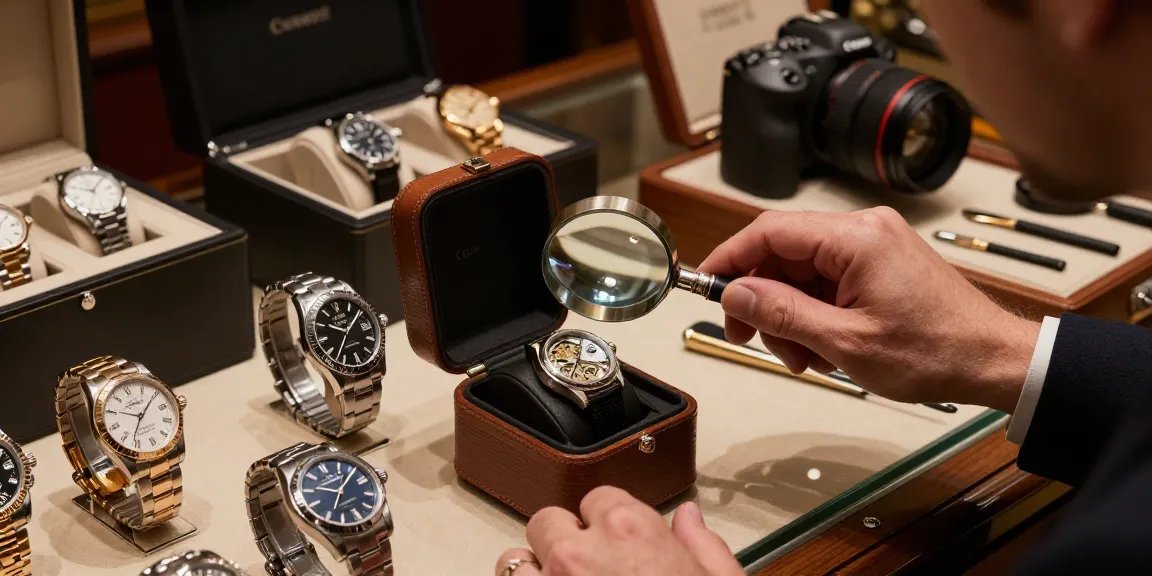
Understanding Clone Watches: What Sets Them Apart?
In the luxury watch market, the distinction between genuine timepieces and their replicas can often be elusive. Clone watches, particularly super clones, have garnered attention in recent years for their superiority over regular replicas. But what exactly defines a clone watch, and what makes it stand out? This article delves into the nuances of clone watches, offering insights into their quality, craftsmanship, and market position.
Definition and Market Overview of Clone Watches
Clone watches are high-quality replicas designed to closely mimic the aesthetics and functionality of their genuine counterparts. Unlike standard replicas, which often cut corners in materials and craftsmanship, clone watches aim for near-identical replication. This market has expanded significantly, appealing to watch enthusiasts who appreciate luxury aesthetics without the exorbitant price tag. A visit to clone watches can showcase excellent options available today.
Key Differences Between Clone Watches and Ordinary Replicas
The primary differentiator between clone watches and ordinary replicas lies in their construction and materials. Ordinary replicas often lack the detail and precision that clone watches boast. Here are key differences:
- Movement: Clone watches utilize high-quality Swiss movements, ensuring precision and durability.
- Materials: Premium metals such as 904L stainless steel are used to enhance the watch’s longevity and appearance.
- Attention to Detail: From engravings to luminescence, clone watches meticulously replicate every detail found in the original, unlike ordinary replicas.
Materials and Craftsmanship Standards in Clone Watches
Quality assurance in clone watches stems from their superior materials and craftsmanship standards. A reputable clone watch manufacturer employs skilled artisans who focus on replicating the intricate details of luxury timepieces. This means that you can expect:
- Sapphire crystal glass for scratch resistance and clarity.
- IP vacuum plating technology for long-lasting color and protection.
- High-end movements that reflect the reliability of Swiss craftsmanship.
The Super Clone Standard: What to Look For
When selecting a super clone watch, it’s essential to recognize the industry standards that define quality. These standards are critical in distinguishing between various options available in the market.
Movement Quality: Swiss Clone vs. Ordinary Replica
The movement is the heart of any watch, and in super clones, it often replicates the Swiss movement technology. Unlike ordinary replicas that might use low-quality movements leading to inaccuracies, super clones are equipped with Swiss clone movements that ensure smooth operation and longevity.
Design Features: A Closer Look at Accuracy
Clone watches strive for a level of accuracy that ordinary replicas often fail to achieve. This includes:
- Exact weight and size dimensions.
- Functional subdials and complications as found in the original timepieces.
- Accurate logos and branding for authenticity.
Longevity and Durability Factors in Clone Watches
Durability is paramount when considering a clone watch. The combination of high-quality materials and advanced production techniques leads to a longer lifespan for these timepieces. Many owners report that their super clone watches stand the test of time, maintaining accuracy and aesthetics with minimal maintenance.
Top Brands Offering Exceptional Clone Watches
Several prestigious brands have entered the clone watch market, catering to different tastes and styles. Each brand has its unique offerings that exemplify the pinnacle of clone craftsmanship.
Exploring the Best Super Clone Options from Rolex
Rolex super clones are among the most sought after due to their iconic status. Models like the Daytona and the Submariner are routinely replicated with extraordinary accuracy. Enthusiasts often admire these clones for their aesthetics, movement, and overall craftsmanship.
Noteworthy Models from Audemars Piguet and Hublot
Audemars Piguet’s Royal Oak and Hublot’s Big Bang series have also made waves in the super clone market. These models are celebrated for their unique designs and intricate detailing, attracting clone watch fans who appreciate high-end horology.
Comparative Review of Patek Philippe and Omega Clones
Patek Philippe’s Nautilus and Omega’s Speedmaster are notable mentions in the clone market. Each brand captures its essence in the clone versions, providing enthusiasts with an opportunity to own impressive replicas of these luxury watches.
Buyer’s Guide: How to Choose the Right Clone Watch
Choosing a clone watch can be challenging, given the array of options available. Here are some essential factors to consider:
Essential Factors: Price, Reviews, and Authenticity
Price is often a significant indicator of quality. Higher-priced models often reflect better quality. Additionally, researching customer reviews can provide insight into the brand’s credibility and the performance of specific models. Ensure that the seller offers guarantees regarding authenticity and materials.
Common Misconceptions About Buying Clone Watches
Many potential buyers harbor misconceptions about clone watches, viewing them as inferior alternatives. In reality, high-quality clone watches offer an excellent balance between luxury and affordability. They should be considered serious contenders for anyone looking to enjoy luxury aesthetics without the associated costs.
Expert Tips for First-Time Buyers
For first-time buyers looking to enter the clone watch market, expert tips include:
- Start with reputable brands known for their quality.
- Verify movements and materials used in the watches.
- Engage with the community to gain insight and recommendations.
Future Trends in the Clone Watch Industry by 2026
The clone watch market is evolving, influenced by advancements in technology and changing consumer preferences. It’s essential to stay informed about these trends to make educated purchasing decisions.
Emerging Technologies in Watch Replication
Innovations in manufacturing techniques are leading to higher-quality replicas with unprecedented accuracy. Technologies such as 3D printing and advanced material sciences are setting new standards in the industry, enhancing both the quality and affordability of clone watches.
Changing Consumer Preferences: Style and Functionality
Today’s consumers are increasingly seeking watches that offer not only style but functionality. This trend reflects a broader shift towards watches that cater to everyday needs while maintaining luxury aesthetics.
Potential Legal Implications and Market Regulations
As the clone watch market continues to grow, potential legal implications and market regulations may arise. Understanding these aspects is crucial for consumers to navigate the landscape responsibly.
What are the most reputable brands of clone watches?
Reputable brands in the clone watch market include Rolex, Audemars Piguet, Patek Philippe, and Omega. These brands are known for their commitment to quality and craftsmanship.
How can I ensure my clone watch is authentic?
To ensure authenticity, purchase from trusted dealers who provide clear information about their products’ origins and materials. Additionally, look for warranties and customer reviews that attest to the product’s quality.
What maintenance do clone watches require?
Clone watches generally require similar maintenance to their genuine counterparts. Regular servicing and proper care can significantly extend their lifespan and performance.
Can clone watches retain value over time?
While clone watches do not have the same resale value as genuine luxury timepieces, specific models can retain value, especially if they are rare or feature unique characteristics.
Are there any warranties available for clone watches?
Many reputable sellers offer warranties on their clone watches, providing peace of mind against defects and assuring quality.